
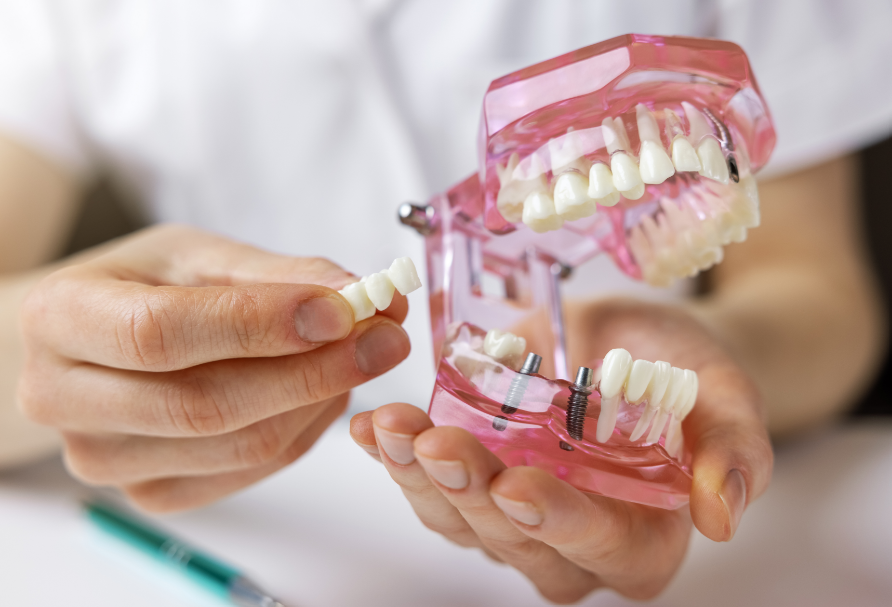
Dental implants are often described as the closest thing to natural teeth. They look realistic, function like real teeth, and don’t rely on surrounding teeth for support. One thing that surprises many patients, though, is feeling sensitivity around an implant. After all, implants aren’t “real” teeth—so how can they feel sensitive at all?
The answer lies in the surrounding tissues, not the implant itself.
Dental Implants Don’t Have Nerves—but Your Mouth Does
The implant post is made of titanium and placed into the jawbone, which means it doesn’t contain nerves the way a natural tooth does. However, the gum tissue, bone, and nearby teeth around the implant are very much alive and sensitive.
When something irritates these surrounding structures, your brain can interpret it as implant sensitivity, even though the implant itself isn’t the source.
Gum Inflammation Around the Implant
One of the most common causes of implant sensitivity is inflammation in the gum tissue. Plaque buildup, poor oral hygiene, or irritation from the crown can lead to soreness, tenderness, or sensitivity around the implant site.
If left untreated, this inflammation can progress into a condition known as peri-implantitis, which affects the bone supporting the implant and can threaten its stability.
Pressure or Bite Issues
If an implant crown doesn’t fit perfectly or your bite has shifted, excessive pressure can be placed on the implant. This added stress can irritate the surrounding bone and gum tissue, leading to discomfort when chewing or biting down.
Even subtle bite imbalances can cause noticeable symptoms over time.
Sensitivity from Nearby Teeth
Sometimes the discomfort you feel near an implant isn’t coming from the implant at all. Adjacent natural teeth may develop sensitivity due to enamel wear, gum recession, or decay. Because everything in the mouth is closely connected, pain can feel like it’s coming from the implant area.
A professional exam is often needed to pinpoint the true source.
Sinus-Related Sensitivity
For implants placed in the upper jaw, sinus involvement can occasionally play a role. Sinus pressure or inflammation may create a sensation of discomfort near upper implants, especially during congestion or seasonal illness.
This type of sensitivity is usually temporary but should still be evaluated.
Why You Shouldn’t Ignore Implant Sensitivity
Any new or persistent discomfort around a dental implant is worth addressing promptly. While some causes are minor and easily treated, others may signal early implant complications. Catching problems early can help protect your investment and prevent more complex treatment down the road.
Dental implants are designed to last for many years, but they rely on healthy surrounding tissues to do so.
When to Contact Your Dentist
If you notice pain, pressure, swelling, bleeding, or sensitivity around your implant—especially if it worsens or doesn’t go away—it’s time to check in with your dentist. Even mild symptoms can provide important clues about your oral health.
Prompt evaluation often leads to simpler, more effective solutions.
Dental implant sensitivity may be surprising, but with early care and attention, it’s usually manageable and treatable.
About the Practice
Southridge Dental provides comprehensive dental care in a welcoming, patient-focused environment. Led by Dr. Ted Dunson who emphasizes gentle treatment and personalized care, our practice offers a full range of services including preventive care, restorative dentistry such as dental implants, cosmetic treatments, and emergency services. With a commitment to advanced technology, clear communication, and long-term oral health, the team works closely with each patient to create comfortable, effective treatment plans that support healthy, confident smiles.
Call us at (940) 566-4942 or request an appointment online.