
Root Canal Treatment – Denton, TX
Saving Your Teeth From Infection

A root canal is a common dental procedure that dentists perform when a dentistry patient has an infected tooth. Despite the frequency and the relative ease with which this treatment can be completed—thanks in large part to advancements in dental technology and anesthesia—there are still many people who fear a root canal more than they fear the consequences of having a tooth that is infected. Dr. Dunson and his dentistry team at Southridge Dental Family & Cosmetic Dentistry would like to dispel that fear with some facts about a root canal treatment in Denton, TX.
Why Choose Southridge Dental Family & Cosmetic Dentistry for Root Canal Treatment?
- Experienced, Caring Dental Experts
- Calming Sedation Available
- Comfortable, Modern Dental Office
A Root Canal is Pain-Free, not Painful

Contrary to popular belief, a root canal is not painful. First of all, Dr. Dunson delivers a measured amount of numbing medication to the tooth and surrounding gum tissue, so you don’t feel anything during the procedure. Secondly, a root canal is intended to eliminate the pain that is commonly caused by an infected tooth.
How Does a Tooth Become Infected?

Normally, the interior of a tooth—called the pulp chamber—is inaccessible. However, if a tooth succumbs to decay or severe damage, then bacteria may have an entryway to this chamber and the attached root canals.
Running up through the canals and into the chamber are each tooth’s blood, lymph, and nerve tissue. As the infection spreads, this tissue begins to die, and the area becomes inflamed. The consequential pain can be quite severe. Other signs that may indicate the need for a root canal include:
- Swelling on the side of your face or swollen neck glands
- A tooth that is extremely sensitive when biting or when eating hot or cold foods and beverages
- A small sore on the gum tissue near the infected tooth
- Fever and a general feeling of malaise
Treating an Infected Tooth
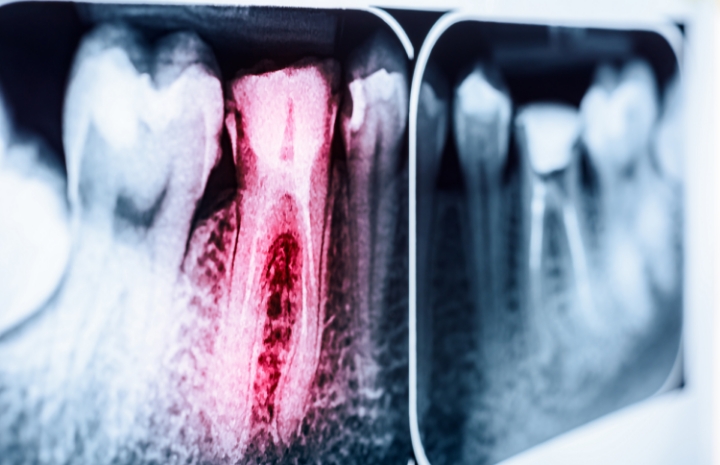
With confirmation from a digital X-ray that shows the infection, Denton root canal dentist Dr. Dunson will begin treatment to repair your smile. A small access hole is drilled into the crown of the tooth, and then delicate hand instruments are used to clean out the infection, any accompanying debris, and the contents of the pulp chamber and root canals.
Once cleansed and disinfected, the space is filled with a biocompatible, rubbery substance called gutta-percha. The access hole is sealed, and the tooth is finally prepared for a permanent dental crown. Dr. Dunson may also prescribe an oral antibiotic to ensure the complete eradication of the infection.
After a couple of weeks, you’ll return to Southridge Dental Family & Cosmetic Dentistry to have the permanent crown attached to the tooth. With the added strength of a crown, your tooth is once again able to function normally.
If you have a toothache or any other symptoms of tooth infection, don’t delay treatment with root canal therapy. Contact our dental office today to schedule an appointment!
Understanding the Cost of Root Canals

A root canal procedure is often the best way to treat a tooth infection or alleviate associated aches, but you’re not alone if you’re worried about the cost of this smile-saving service.
Thankfully, Dr. Dunson understands that you might have questions, and our team is happy to provide a detailed estimate for your treatment before proceeding. Continue reading to learn more about how pricing is determined and how our office helps make dental care more affordable!
Factors That Can Affect Root Canal Cost

The cost of root canals can vary from person to person because it depends significantly on your individual circumstances and can potentially be affected by various factors, including:
- Where the tooth is located. Molars are in the back of your mouth, which often requires more time and effort to access, and have more roots to clean, which can increase your final invoice.
- The severity of your condition. If a specialist is required to assist with your case, their time must also be paid for.
- Other related treatments. You’ll also be required to cover the cost of additional services, such as dental sedation during your procedure and/or your dental crown to restore your tooth’s function and appearance.
Is it Cheaper to Pull My Tooth?
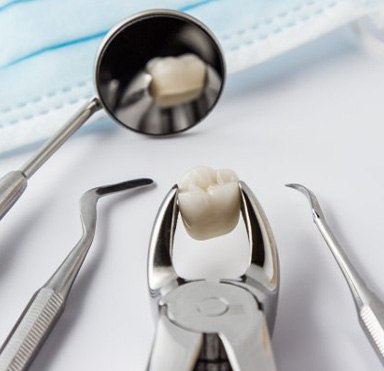
Many patients wonder if it’s more cost-effective to have their troublesome tooth removed rather than repaired. However, there are additional risks associated with tooth loss that you might not have considered.
For instance, did you know that your jaw starts thinning without as many roots to stimulate new bone growth each time you bite down? It continues to degenerate and can eventually become too frail to support your remaining teeth or facial structure. Meanwhile, a root canal allows you to keep the tooth you were born with, which can help prevent potential problems, such as dental drifting, misalignments, or permanent tooth loss.
Does Dental Insurance Cover Root Canal Treatment?

Many dental insurance policies cover between 50% and 80% of the cost of major procedures, such as root canals. But every plan is different and there are no guarantees, so it’s worth checking your details.
Our Denton office is in-network with several major dental insurance providers and can also work with other plans to help you maximize any potentially applicable benefits to help reduce out-of-pocket expenses for your procedure. If you would like assistance with claims or paperwork, please contact the office. Our friendly staff is more than happy to help!
Other Options for Making Root Canal Treatment Affordable

If you’re uninsured and are still concerned about the cost of your root canal, we’ve got your back! Our team understands that not everyone has dental insurance, but we believe all patients deserve access to quality services to help them build happy, healthy smiles.
With that in mind, we also happily accept flexible payment plans through CareCredit. These low- to no-interest options allow you to divide the total cost of your visit into more manageable installments over a designated period, which can be easier on your budget.