
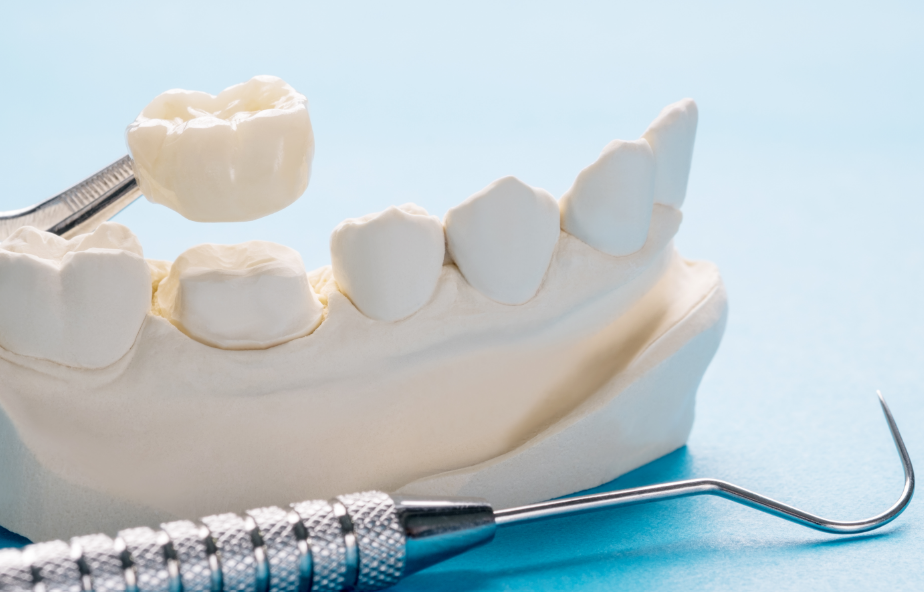
If you have an upcoming appointment for a dental crown, it’s normal to feel a little unsure about what will happen. Crowns are a common and reliable way to restore damaged or weakened teeth, and the preparation process is designed to protect your tooth while ensuring a comfortable, precise fit. Knowing what to expect can help you feel more confident going into your visit.
Why Tooth Preparation Is Necessary
A dental crown works like a protective cap that fully covers a tooth. Before it can be placed, the tooth needs to be shaped so the crown fits securely and looks natural alongside your other teeth. Preparation also allows your dentist to remove any decay or damage and create a strong foundation for the restoration. Without this step, the crown may not sit properly or last as long as it should.
Exam and Numbing the Area
The process usually begins with a thorough exam of the tooth and surrounding area. Your dentist may take X-rays to check the tooth’s roots and bone structure and ensure there is no infection or damage below the surface.
Once the tooth is ready for treatment, a local anesthetic is used to numb the area. This keeps you comfortable throughout the procedure and helps prevent sensitivity while the tooth is being prepared.
Removing Decay and Reshaping the Tooth
After the tooth is numb, your dentist removes any decay, old fillings, or weakened areas. This step is essential to prevent further damage beneath the crown. Once the tooth is healthy, it is carefully reshaped using specialized dental instruments.
Shaping the tooth creates space for the crown to fit snugly without looking bulky. The amount of enamel removed depends on the type of crown and the condition of the tooth, but dentists always aim to preserve as much natural structure as possible.
Taking Impressions for the Crown
After reshaping, your dentist takes impressions of the prepared tooth and the surrounding teeth. These impressions act as a detailed blueprint for creating a custom crown that fits your bite and blends seamlessly with your smile.
Impressions may be taken using a soft putty material or digital scanning technology. The goal is the same in both cases: to capture precise measurements so the dental lab can craft a crown that looks and feels natural.
Placing a Temporary Crown
Since permanent crowns are custom-made, they usually take some time to fabricate. To protect your prepared tooth in the meantime, your dentist places a temporary crown. This temporary restoration shields the tooth from sensitivity and damage while allowing you to chew and speak normally.
Your dentist will provide instructions on how to care for the temporary crown, including avoiding sticky or hard foods until your permanent crown is ready.
Final Crown Placement
Once your custom crown is complete, you’ll return for a second appointment. The temporary crown is removed, and the permanent crown is checked for fit, color, and comfort. After any necessary adjustments, the crown is cemented securely into place.
With proper care, a dental crown can restore strength, function, and appearance to your tooth for many years.
Understanding each step can make the crown process feel much more manageable and reassuring.
About the Practice
Dr. Ted Dunson of Southridge Dental Family & Cosmetic Dentistry treats every patient like royalty! We serve the Denton community with comprehensive restorative and preventive dental care focused on patient comfort and long-term oral health. Our experienced dental team offers custom dental crowns designed to restore damaged teeth and protect smiles. Learn more about crown treatment options at your first appointment.
Call us at (940) 566-4942 or request an appointment online.